There are several major robotics competitions that students around the world participate in. Each competition focuses on different skills, robot platforms, and levels of complexity.
Below is a comparison of three of the most widely known robotics competitions: the World Robot Olympiad, the FIRST Robotics Competition, and the VEX Robotics Competition. I have firsthand experience in each of these three competitions, and hope to be able to provide firsthand insight into the style and structure of each of them.
| Competition | Typical Age Group | Robot Type | Programming | Style |
|---|---|---|---|---|
| World Robot Olympiad (WRO) | Upper Elementary → High School | (mostly) LEGO-based robots | Block or Python | Fully autonomous |
| FIRST Robotics Competition (FRC) | High School | Large custom metal robots | Java / C++ / Python | Large team engineering |
| VEX Robotics Competition | Middle School → High School | VEX metal kit robots | C++ | Strategic gameplay |
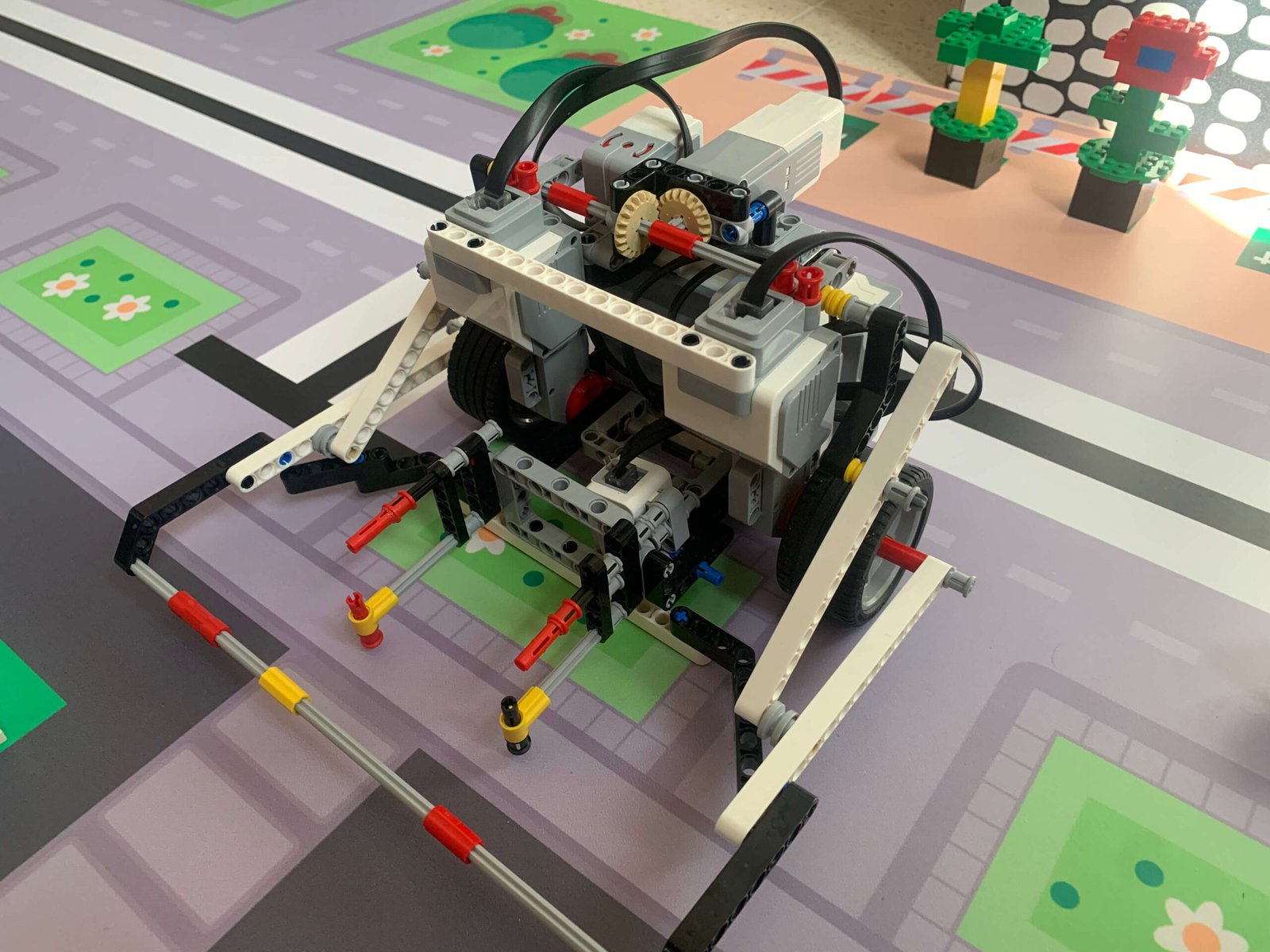
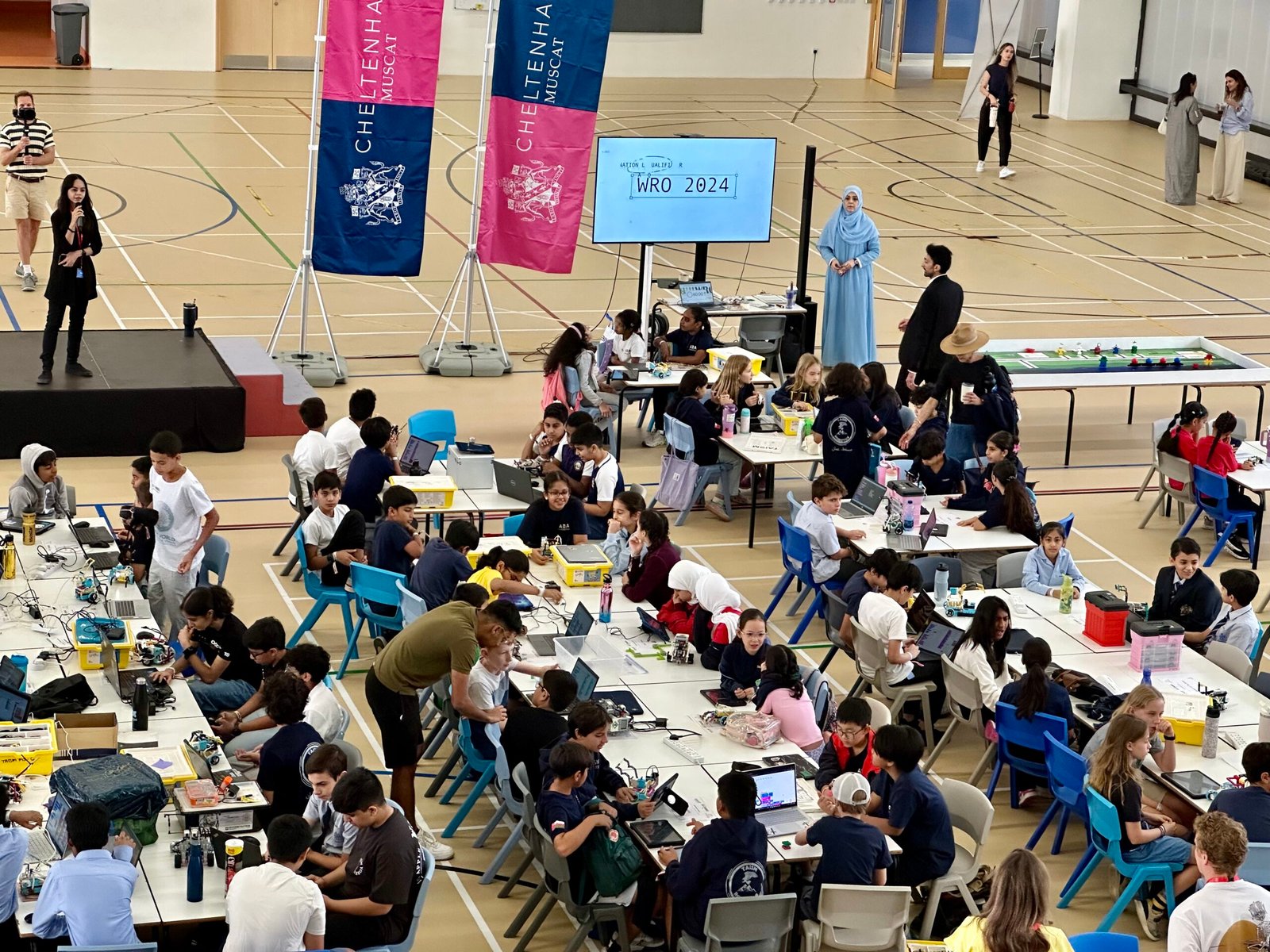
The World Robot Olympiad focuses primarily on autonomous robotics. Robots must complete tasks on a competition field without any human control during the run.
Most WRO robots are built using LEGO robotics systems, which makes the competition very accessible for beginners. Teams typically consist of two or three students who design, build, and program their robot together.
Because robots must operate completely autonomously, WRO places a strong emphasis on programming, sensor use, and algorithm design.
For a more comprehensive overview of WRO, please visit: WRO overview
The FIRST Robotics Competition is one of the largest and most advanced robotics competitions for high school students.
Unlike smaller robotics competitions, FRC teams build large industrial-style robots using metal components, motors, and advanced control systems. These robots often weigh over 50 kilograms and are capable of complex tasks such as climbing structures, launching game pieces, or manipulating large objects.
FRC teams are typically large, sometimes consisting of 20–40 students working together in specialized roles such as:
For a more comprehensive overview of FRC, please visit: FRC Overview
The VEX Robotics Competition sits between WRO and FRC in terms of complexity.
Robots are built using VEX metal kits, which are more flexible than LEGO systems but smaller and simpler than FRC robots. Teams typically consist of a few students who design and program their robot to compete in a structured game played on a field.
One unique feature of VEX competitions is that they often include both autonomous and driver-controlled periods. This means teams must develop both reliable autonomous routines and effective human control strategies.
VEX competitions place strong emphasis on:
For a more comprehensive overview of VEX, please visit: VEX Overview
In the next section, I will help you decide which robotics track may be the best starting point depending on your experience and goals.