Choosing the right robotics track depends on your age, experience level, team structure, and the type of skills you want to develop. Having participated in all three of the following competitions, I can definitely say there is no single “best” competition; each one builds different strengths, and the right choice depends on what you are looking for in your robotics journey.
If you are unsure where to begin, this page will help you understand the differences and make an informed decision.
As explained in the previous section:
Now let’s look at each option in more detail.
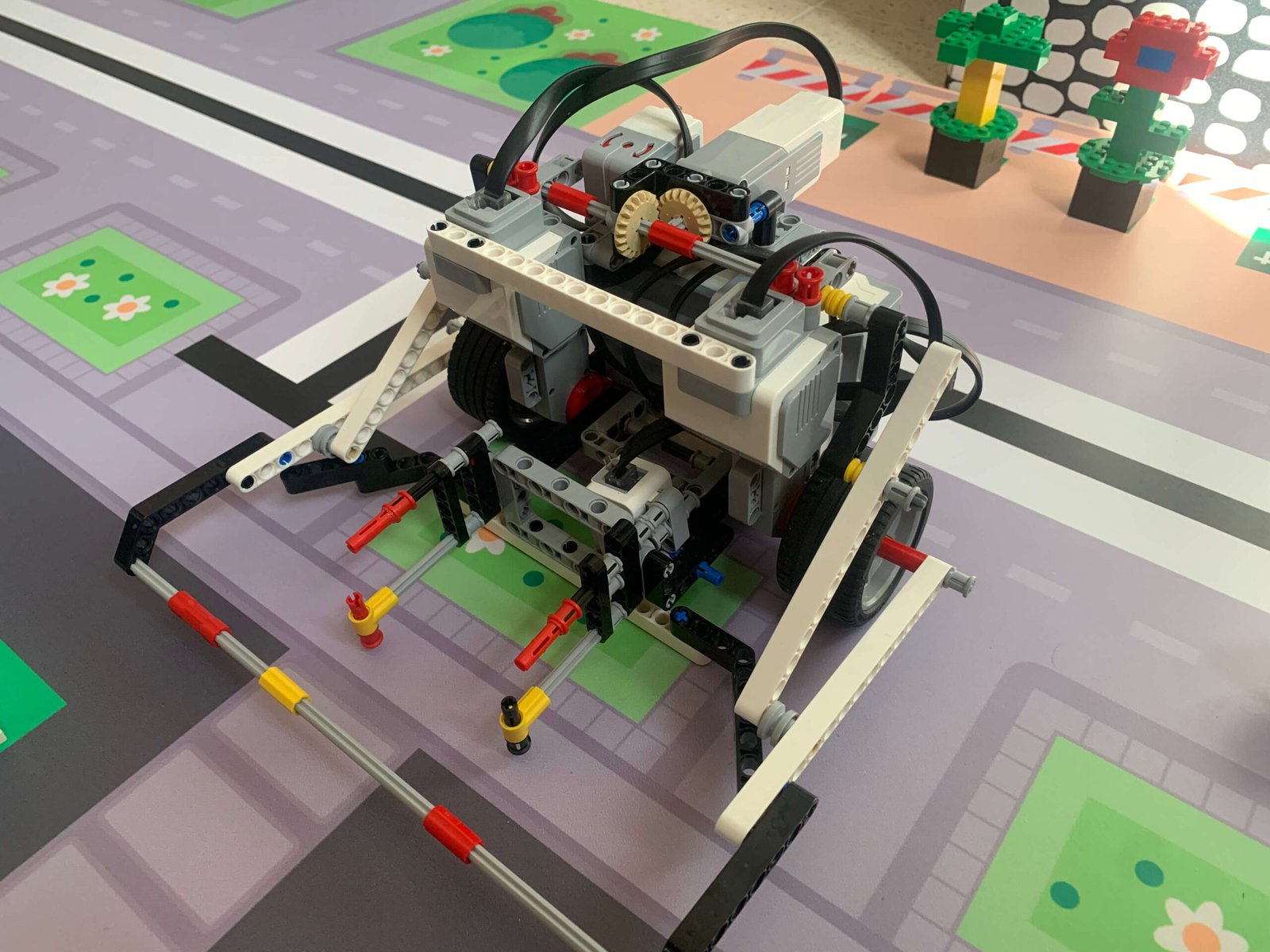
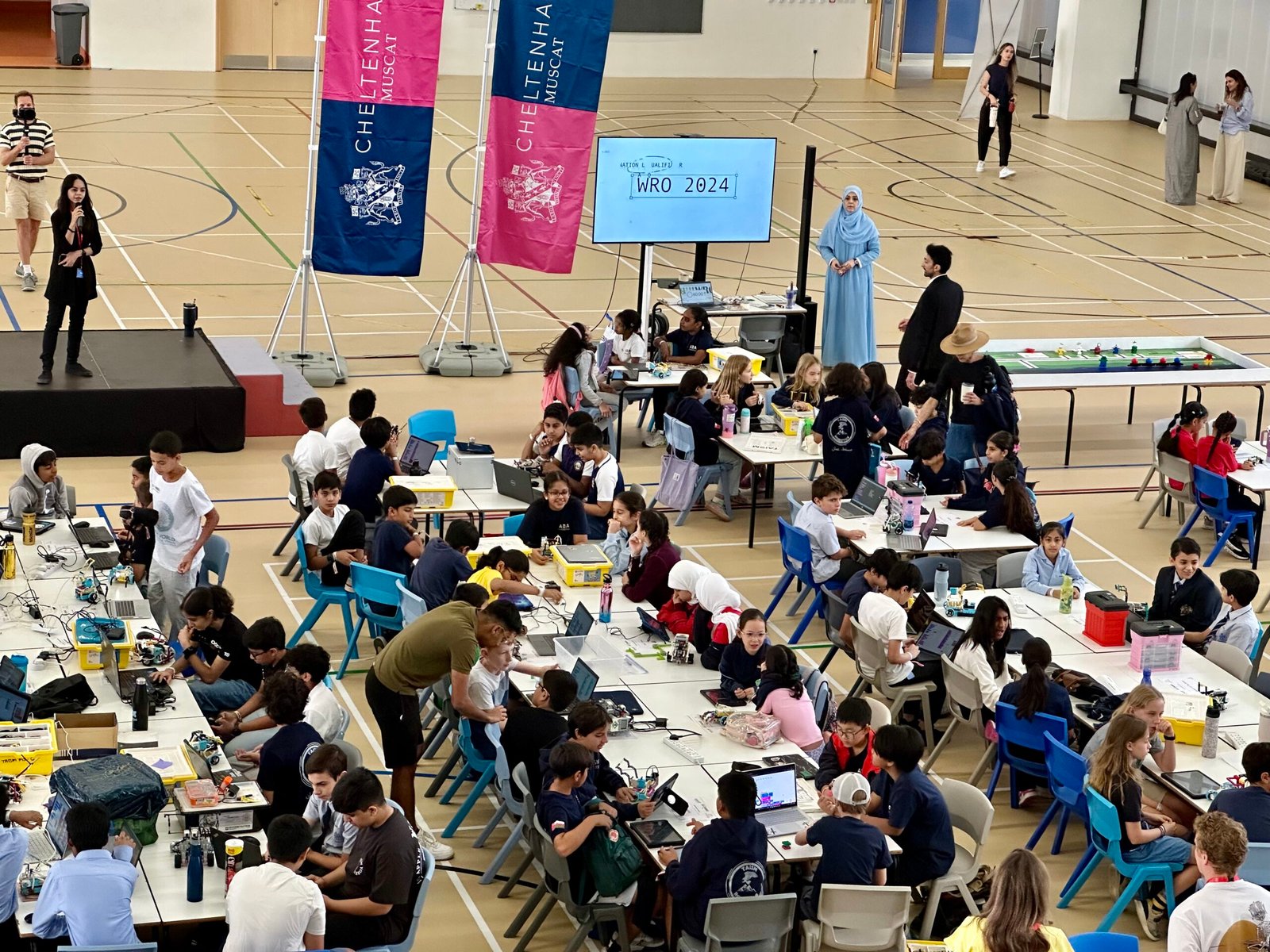
The World Robot Olympiad is one of the most accessible entry points into competitive robotics. Robots are typically built using LEGO-based systems, which allows students to focus on core robotics concepts such as programming, sensor integration, and algorithm design rather than complex manufacturing processes. This makes it especially suitable for schools and teams that are just starting out.
One of the key advantages of using a LEGO-based platform is the speed of iteration. Because components are modular and easy to assemble, teams can quickly move from an idea to a working prototype — design changes can be implemented in minutes. This rapid development cycle encourages experimentation, testing, and continuous improvement, all of which are essential skills in engineering. Among the major robotics competitions, WRO is often the most efficient environment for turning ideas into execution, allowing students to refine both hardware and software through fast feedback loops.
From my experience working with autonomous robotics systems, the most important learning experience in WRO is not the hardware, but rather the software. Because robots must operate completely autonomously, students must design reliable algorithms, integrate sensors correctly, and carefully test their programs under competition conditions. This environment strongly develops logical thinking, debugging skills, and confidence in programming.
WRO is an excellent choice for students who want a structured learning path that gradually builds from fundamentals to advanced autonomous systems. It is particularly well suited for smaller teams and for schools that want to introduce robotics in a manageable way. Additionally, compared to larger-scale robotics competitions, WRO generally has a lower cost of entry due to its standardized LEGO-based platform, making it more accessible for schools that are beginning to invest in robotics programs.
Visual suggestions for this section:
The FIRST Robotics Competition operates at a significantly larger scale than many other robotics competitions. Teams design and build substantial metal robots capable of performing complex tasks on a competitive field. These robots are highly engineered systems that often include advanced drivetrains, manipulators, and control systems. Unlike smaller competitions, FRC emphasizes large team collaboration, structured project management, and long-term design development, with the development cycle typically spanning several months.
FRC teams include many students working in specialized roles such as mechanical design, programming, electronics, strategy, media, and outreach. Because of this structure, the robot development process closely resembles a real engineering project. Teams must coordinate responsibilities, maintain documentation, manage timelines, and iteratively improve their designs throughout the season.
This specialization allows students to develop deeper expertise within a specific domain than is typically possible in smaller competitions, where individuals often contribute across multiple areas. By focusing intensively on one subsystem or responsibility, students can become highly proficient in that field while contributing to a larger integrated system. In contrast, competitions such as WRO require participants to develop skills across multiple domains simultaneously — for example, in WRO I have led both robot design and programming, two areas that require distinctly different technical mindsets.
At the same time, integrating many advanced subsystems demands constant communication and alignment across the team. In large projects, delays or misunderstandings can quickly affect overall progress. From experience, I have seen how falling behind in a development cycle can require direct and sometimes difficult internal communication — such as when a vice captain had to send a firm message to refocus priorities and improve accountability. While these moments can feel uncomfortable, they are valuable for long-term growth. They strengthen coordination, clarify expectations, and teach students how to collaborate effectively in high-performance environments.
FRC often also involves a significant amount of custom fabrication. Teams frequently design and manufacture their own mechanical components to meet specific performance requirements. This provides students with valuable hands-on experience using tools, understanding materials, and learning practical engineering constraints. Students gain exposure to real-world fabrication processes that closely resemble professional engineering workflows. However, custom manufacturing can also slow iteration cycles. For example, if a subsystem such as a gear assembly requires redesign, robot construction may need to pause until new parts are produced. In one experience, redesigning a gear mechanism required halting overall robot assembly for an entire day because progress could not continue until the updated components were completed. While this can temporarily delay development, it teaches careful planning, precision in design, and the importance of validating systems early in the process.
FRC is especially suitable for high school students who want exposure to advanced engineering, large-scale collaboration, and a highly competitive environment. It provides a comprehensive robotics experience that combines technical depth, leadership development, teamwork, and real-world project management.
Visual suggestions for this section:
The VEX Robotics Competition offers a balance between accessibility and complexity. Robots are built using modular metal components, which allow teams to design flexible and functional structures without requiring large-scale fabrication tools. This makes VEX a strong middle ground between LEGO-based systems and larger engineering competitions, providing more mechanical freedom while remaining structured and manageable for school teams.
VEX competitions typically include both autonomous and driver-controlled periods. This dual-format structure requires teams to develop reliable autonomous routines while also optimizing strategy and performance during live matches. Students must think not only about how the robot functions technically, but also about how it performs under competitive pressure. Success depends on a combination of programming accuracy, mechanical reliability, and tactical decision-making.
Because of this format, VEX encourages students to develop a well-rounded robotics skill set. Teams must balance efficient mechanical design, effective coding, and real-time strategic thinking. The competition structure rewards reliability, optimization, and adaptability, making it a strong environment for students who want to experience both engineering development and competitive gameplay.
VEX is well suited for middle and high school teams that want a structured robotics experience combining programming, mechanical design, and strategy. It provides a competitive yet approachable pathway into robotics, especially for schools seeking a balanced program that is more advanced than entry-level systems but less resource-intensive than large-scale engineering competitions.
Visual suggestions:
If you are new to robotics and want to build strong fundamentals in programming and autonomous systems, starting with WRO is often a great choice. If you are interested in large-scale engineering projects and working in bigger teams, FRC may be the right fit. If you want a balanced experience that combines engineering, programming, and strategy in a structured competition environment, VEX could be ideal.
There is no single correct choice. Each competition develops valuable skills, and many students benefit from exploring multiple formats over time. Personally, I have enjoyed experiences across these different robotics structures, as each one offers a unique perspective on engineering, teamwork, and problem-solving.
In many cases, the decision also depends on practical factors such as school availability, team size, resources, and mentor support. Sometimes the best starting point is simply the competition that your school or community can realistically support. If you are interested in beginning a robotics program but are unsure how to proceed, you can visit the Start a Robotics Team section to learn more about how to get involved.
Robotics experience can evolve over time. Many students begin with one competition and later expand into others as their skills and interests develop, building a broader and deeper understanding of robotics along the way.
After choosing a track, you can explore the detailed curriculum for that specific competition. Each track includes structured modules that guide students from foundational concepts to competition-ready skills.
Continue to the WRO Track, FRC Track, or VEX Track to begin your journey.