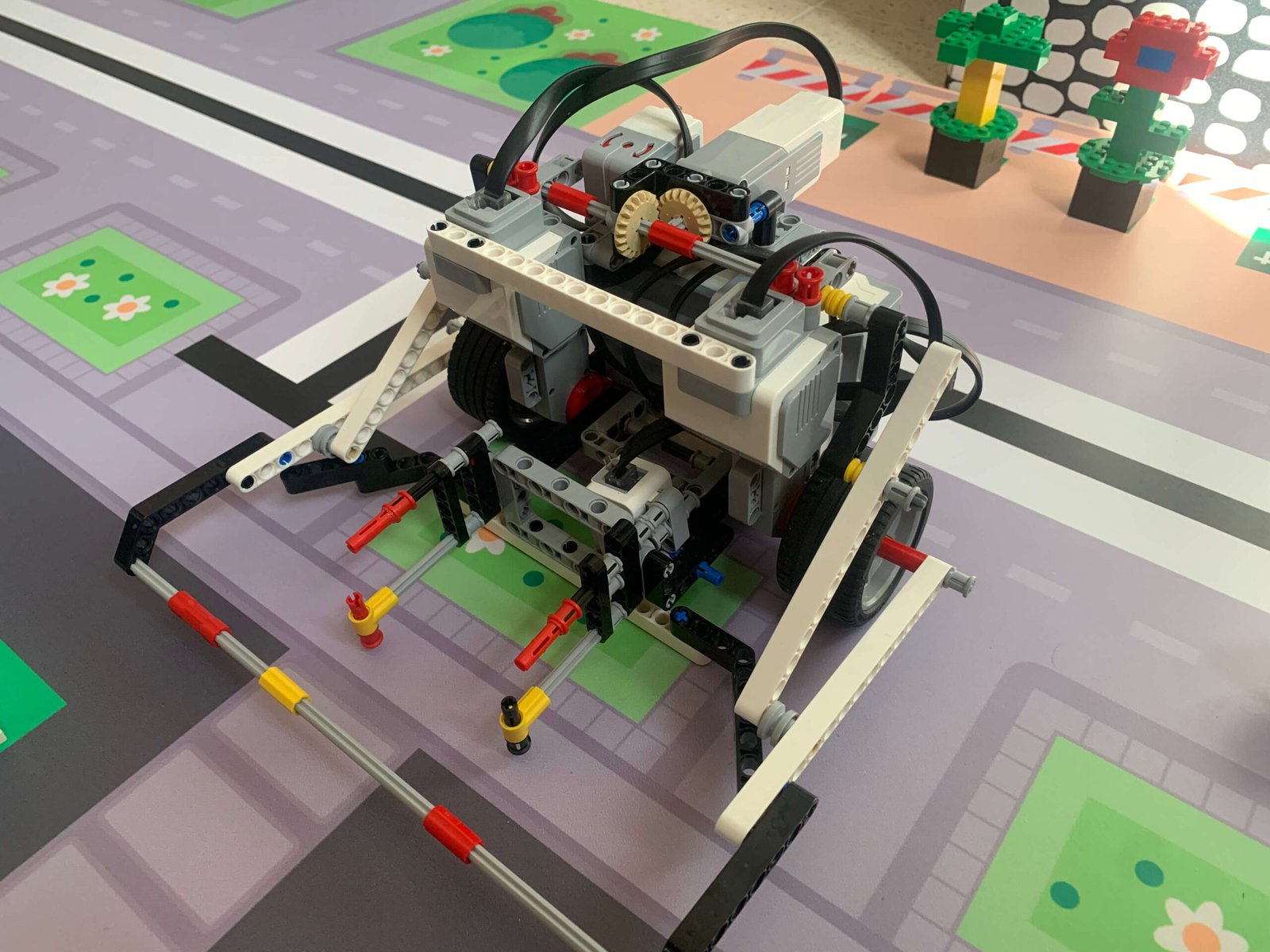
Robotics is one of the most engaging and effective ways to learn engineering and computer science. Instead of studying concepts in isolation, robotics combines programming, electronics, mechanical design, and teamwork into a single hands on activity. Students design machines that interact with the real world, write software to control them, and test their ideas in competitions.
Around the world, robotics programs have become a gateway into STEM education. Major international competitions such as the World Robot Olympiad, FIRST Robotics Competition, and VEX Robotics Competition bring together hundreds of thousands of students every year to build robots, solve engineering challenges, and compete with teams from other schools.
Robotics teaches far more than just how to build machines. It develops a wide range of skills that are valuable in engineering, computer science, and many other fields.
Below I delve further into each of the key pillars of STEM I believe robotics helps nurture:
Every robot requires software to control it. Students learn how to write programs that read sensor data, make decisions, and control motors.
Robotics programming introduces concepts such as:
Unlike traditional programming exercises, robotics code immediately affects the real world. A small change in the program can change how the robot moves or responds to its environment, making learning highly interactive.
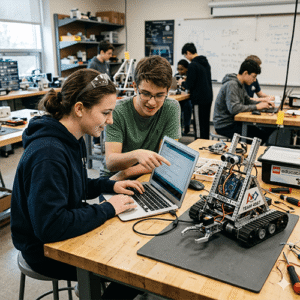
Building a robot requires designing a system that can move, manipulate objects, and withstand real-world conditions.
Students learn:
Rarely does a robot work perfectly the first time (as I and countless other roboticists can attest to!). Teams must test their designs, identify weaknesses, and improve them. This process closely mirrors how real engineers develop technology and gives students early exposure to the engineering design process.
Robotics is also a creative discipline. Teams often discover multiple ways to solve the same challenge, and innovative designs can give teams a major advantage in competitions.
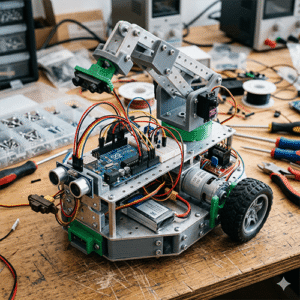
Robotics competitions are essentially engineering challenges. Teams are given a problem (such as navigating a course or manipulating objects) and must design a robot capable of solving it.
This teaches students how to:
Many of the most valuable lessons come from things not working at first. Debugging both hardware and software is a core part of the robotics process.
The process of debugging can feel frustrating at first, but teaches students the crucial skills of perseverance and problem solving.
Robotics is almost always a team activity. Successful teams divide responsibilities and combine different strengths.
Students typically take on roles such as:
Learning to collaborate, communicate ideas, and coordinate a project is one of the most important outcomes of robotics programs.
Some competitions such as the FIRST Robotics Competition take this further, requiring teams to manage large-scale projects that include fundraising, outreach, and complex engineering design.
Visual suggestion:
Photo of a robotics team working together around a robot.
My FRC team
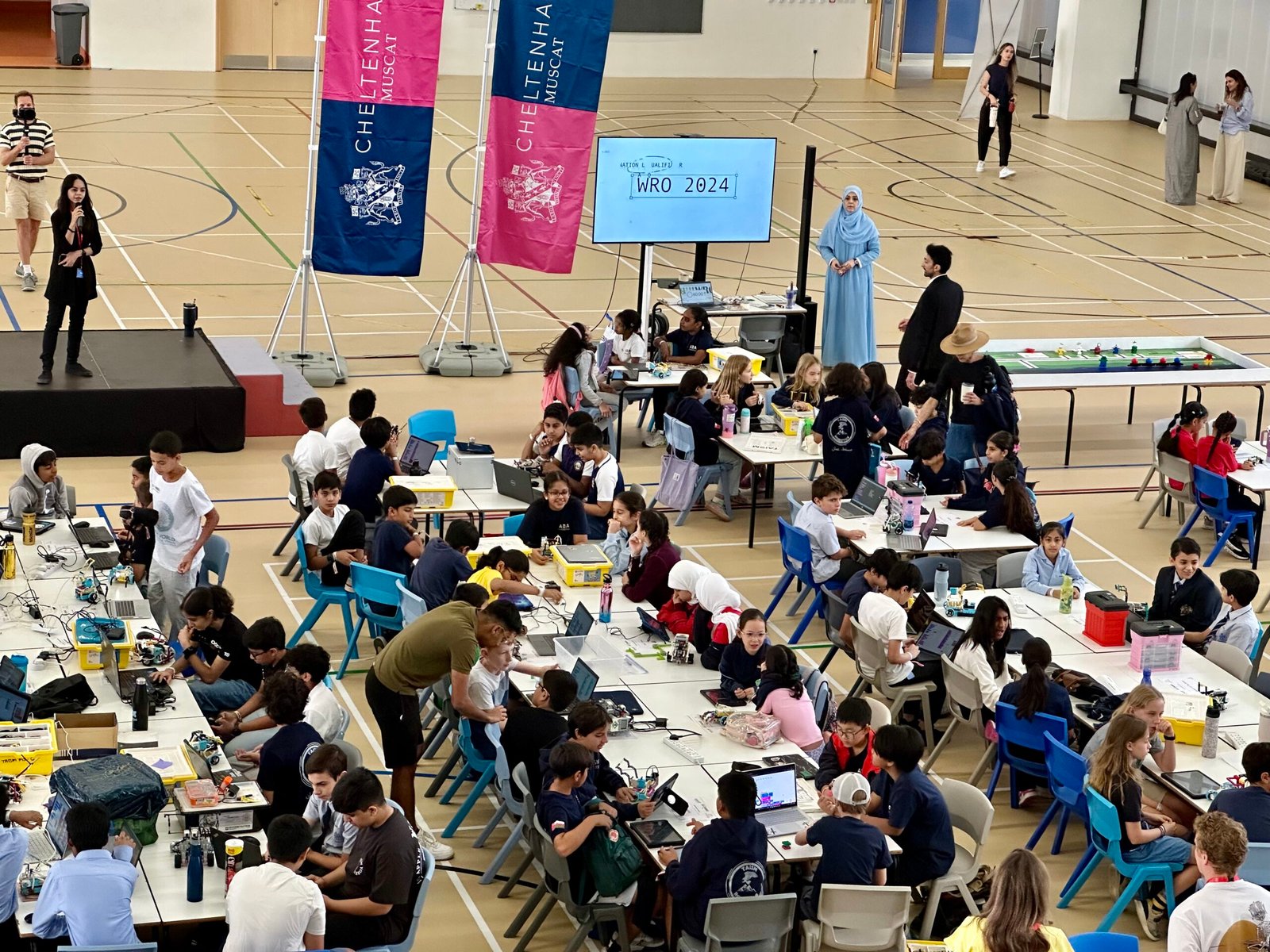
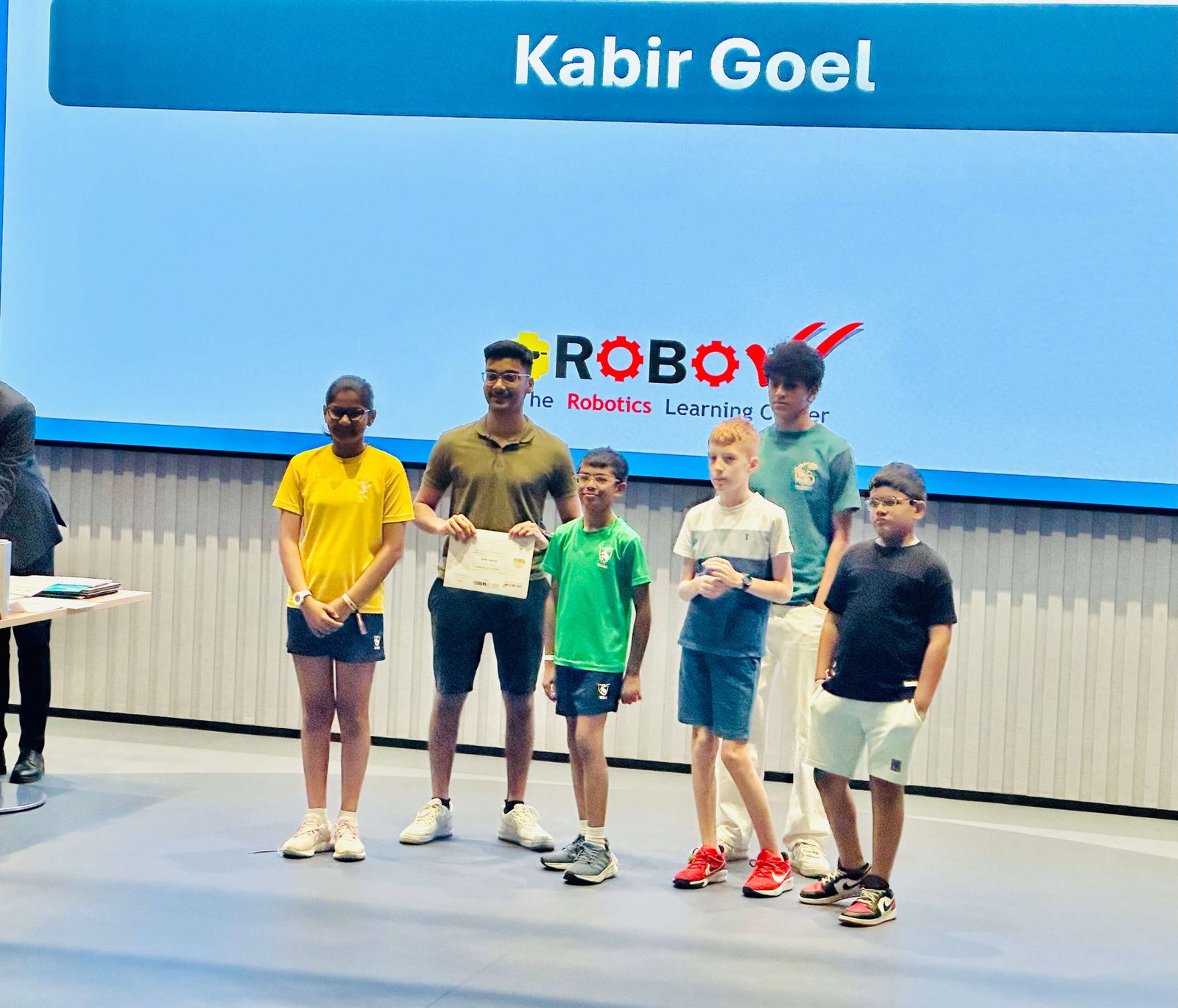
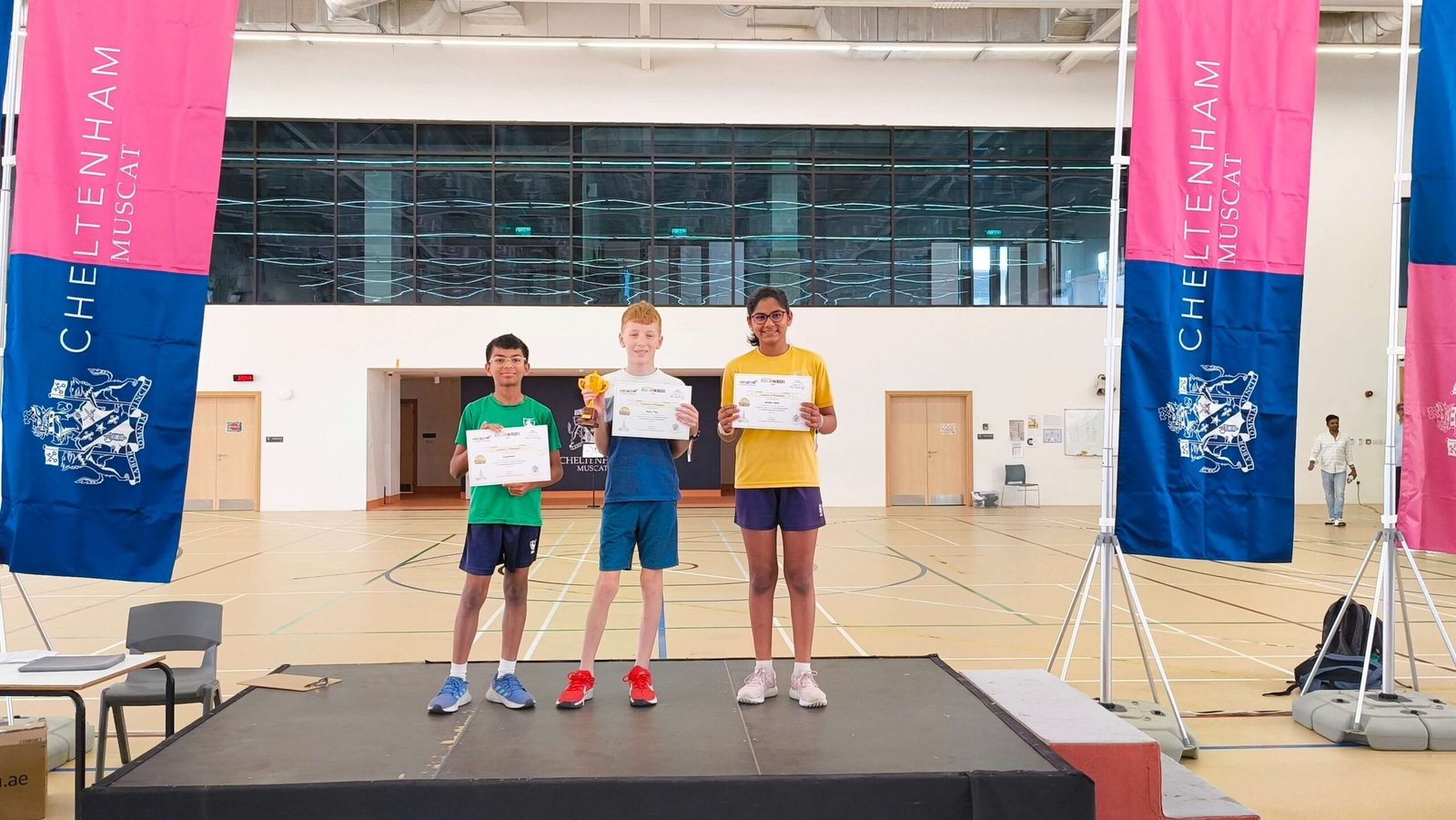
Robotics competitions allow students to test their designs against other teams. These events simulate real engineering environments where teams must build reliable systems under time constraints.
Competitions such as the World Robot Olympiad, FIRST Robotics Competition, and VEX Robotics Competition challenge students to solve new engineering problems each year.
Preparing for competitions teaches students:
For many students, these competitions become the highlight of their robotics experience.
Speaking from experience, competitions are an excellent way to connect with people from around the world. They expose you to diverse perspectives, innovative ideas, and new approaches that you might not encounter otherwise.
Visual suggestion:
Competition field with robots competing.
Picture I took at WRO
Students who participate in robotics often pursue careers in engineering, computer science, and technology. The skills developed through robotics — programming, design, teamwork, and problem solving — are directly applicable to many fields.
Robotics experience can also lead to opportunities such as:
More importantly, robotics helps students develop the curiosity and technical mindset needed to tackle complex problems in the future.
There are many different robotics competitions and platforms available, each designed for different age groups and skill levels. The next step is to explore the major types of robotics competitions and determine which one best fits your interests.