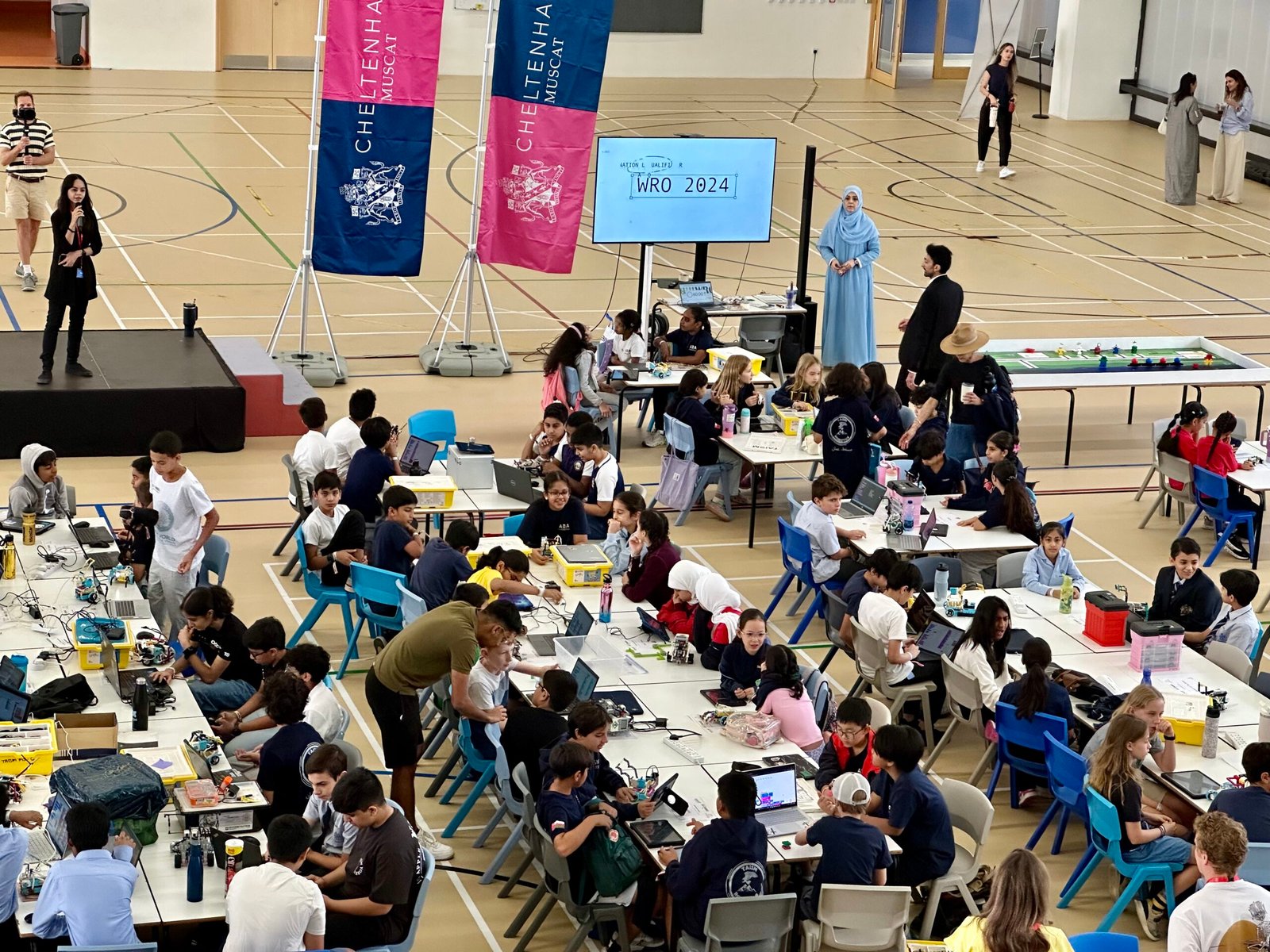
The World Robot Olympiad focuses primarily on autonomous robotics. Robots must complete tasks on a competition field without any human control during the run.
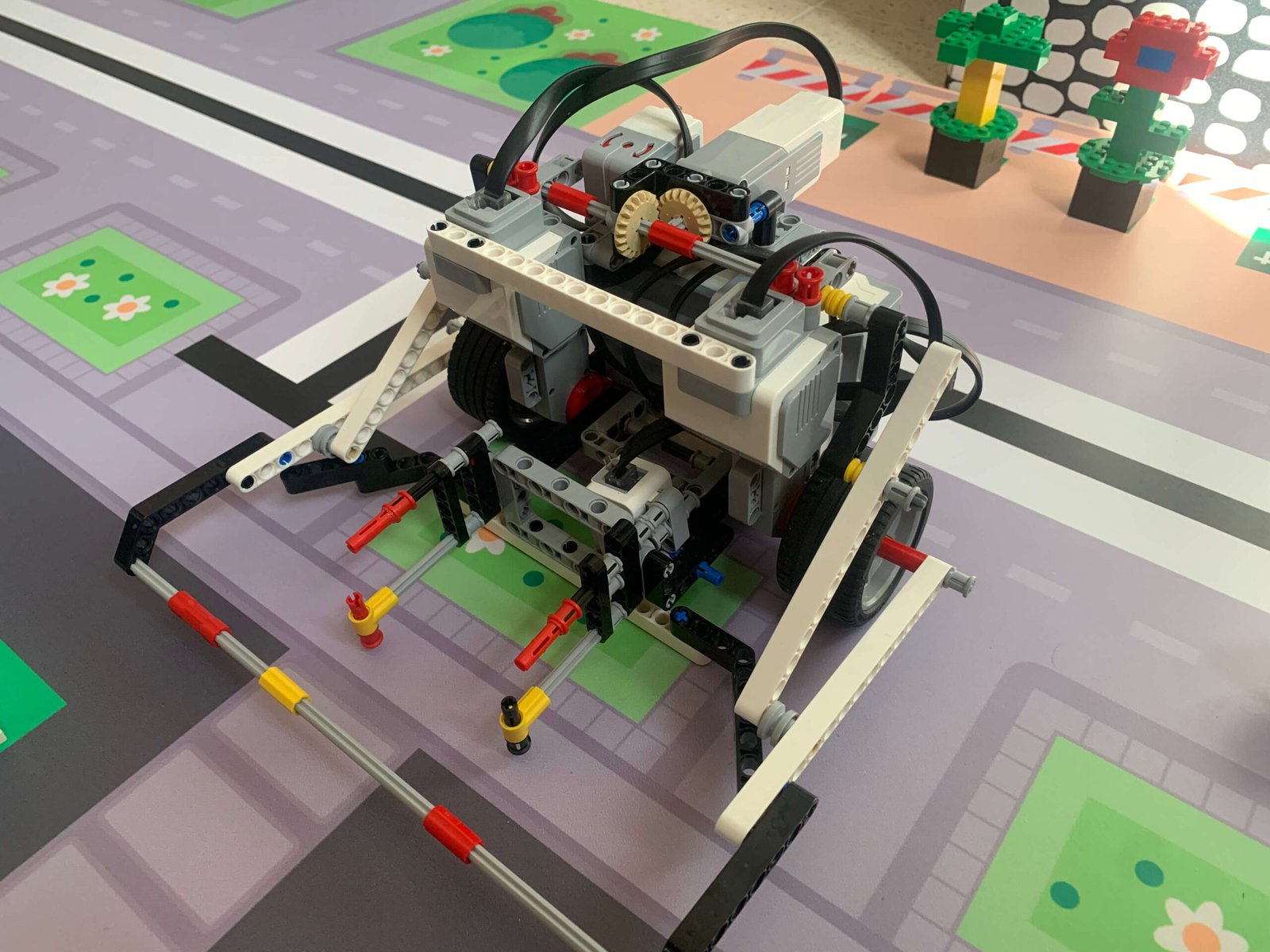
Most WRO robots are built using LEGO robotics systems, which makes the competition very accessible for beginners. Teams typically consist of two or three students who design, build, and program their robot together. The most popular category is RoboMission, where teams build a robot that must complete a series of themed tasks on a game mat within a limited time. Each season introduces a new challenge, requiring teams to rethink their robot’s design, mechanisms, and programming strategy.
(Note: As of 2025, teams in the RoboMission category are no longer restricted to using only LEGO brand sets, allowing for other materials, third-party motors, and alternative microcontrollers. However, from what I have seen, most teams continue to use LEGO kits due to their ease of use and extensive documentation.)
In addition to RoboMission, WRO includes several other categories that emphasize different aspects of robotics. Future Innovators focuses on engineering design and creativity, where teams develop a robotics-based solution to a real-world problem and present their project to judges. RoboSports introduces a more dynamic format, where two autonomous robots compete against another team in a fast-paced game. The Future Engineers category challenges teams to design and program autonomous vehicles capable of navigating tracks and completing driving challenges.
Because robots must operate completely autonomously, WRO places a strong emphasis on programming, sensor use, and algorithm design. Teams must carefully calibrate sensors, write reliable code, and design mechanical systems that can perform consistently under competition conditions.
The following sections will guide you through one of the most popular platforms amongst top teams, LEGO EV3, and how to use it in the RoboMission category.